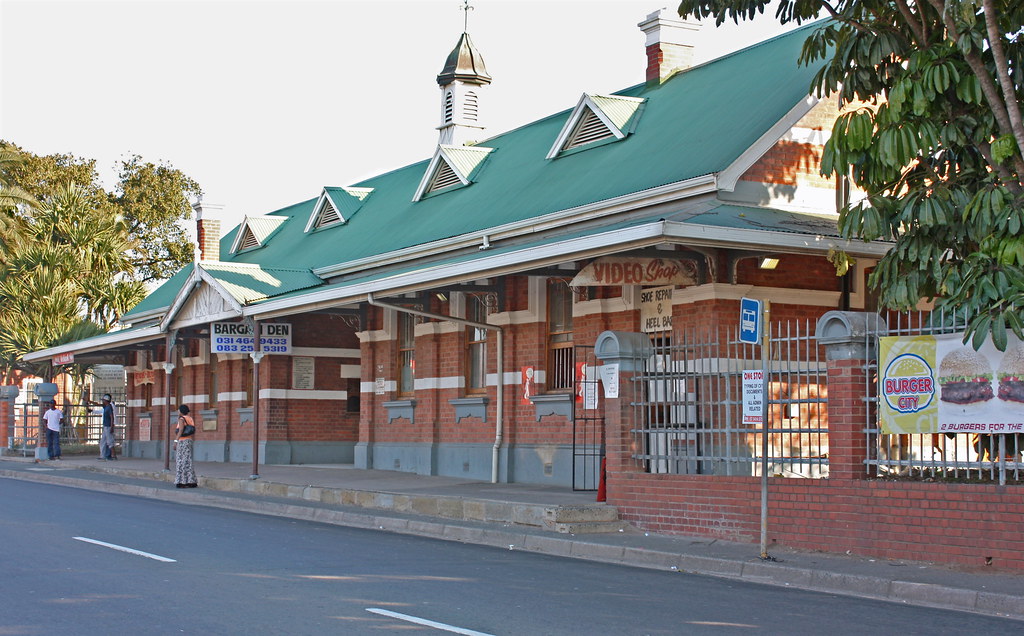

Bellair Railway Station: Durban’s little red-brick time machine on Sarnia Road
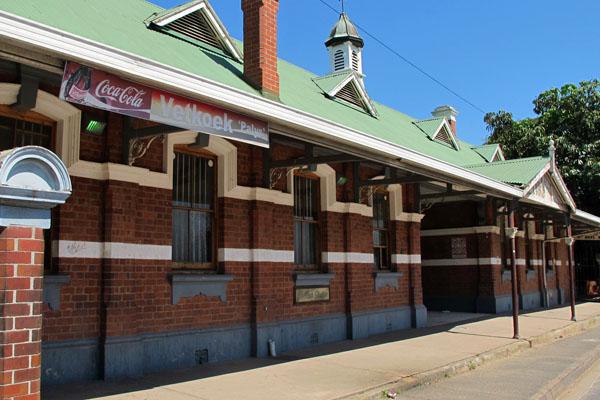
If you’ve ever driven down Sarnia Road and done a double-take at that handsome red-brick building with the green roof and old-school charm, you’ve met Bellair Railway Station — a small Durban landmark that quietly carries more history than most of us carry data on our phones.
Where it is (and why you’ve probably passed it a hundred times)
Bellair Station sits on Sarnia Road in Bellair (Durban), part of the rail spine that links the western/southern suburbs into the broader Durban commuter network. (ShowMe™ - South Africa)
Built at the turn of the 1900s
Bellair’s station building dates to the 1899/1900 era: plans drawn in 1899, with the present building built in 1900. (Wikipedia)
Architecturally, it’s widely described as Victorian/Colonial in style — the kind of public building design that was meant to look permanent, orderly, and “official.” (Wikipedia)
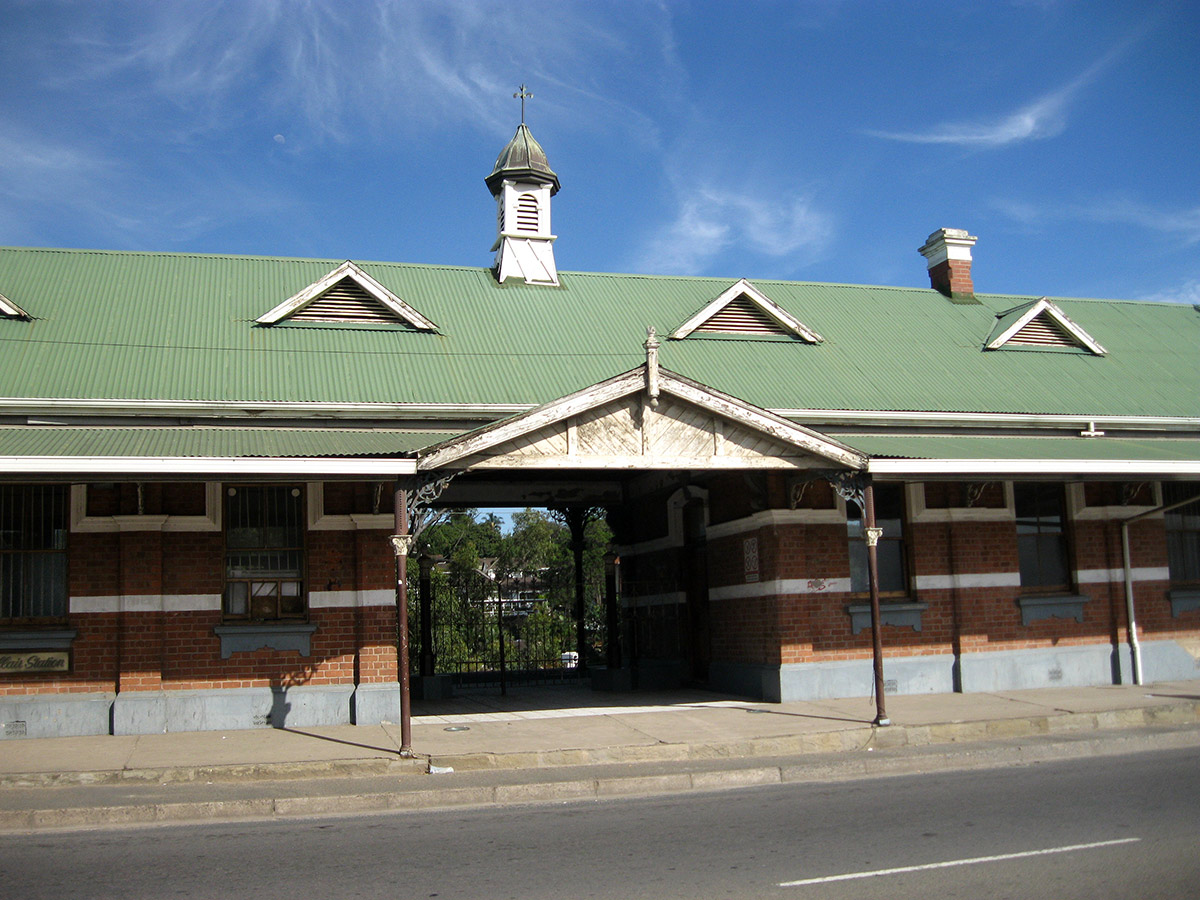
A standout detail in heritage descriptions is the layout: the building is described as two parts under one roof, split by a central passage that forms the entrance through to the platforms. (Wikipedia)
In other words: it’s not just a station — it’s a proper piece of civic architecture.
A station that saw the Boer War era roll by
Bellair wasn’t built as a museum piece. It was built to move people — and during the Boer War period, the station reportedly saw troops and prisoners of war passing through the Durban rail system. (ShowMe™ - South Africa)
It’s one of those places where “history” isn’t abstract — it’s literally the same threshold people walked through more than a century ago.
Official heritage status (this one is on the record)
Bellair Railway Station is a declared heritage site, listed with SAHRA identifier 9/2/407/0022, and recorded as a Provincial Heritage Site with a declaration date of 20 October 1989. (Sahris)
Older gazette documentation also references the declared station building at Bellair as a protected monument under the earlier national monument framework. (Sahris Bucket)
So yes — it’s officially “important-important,” not just “nice old building” important.
What makes the building special (even if you’re not a train person)
You don’t need to be a rail enthusiast to appreciate Bellair Station’s design. It has that classic Durban heritage feel:
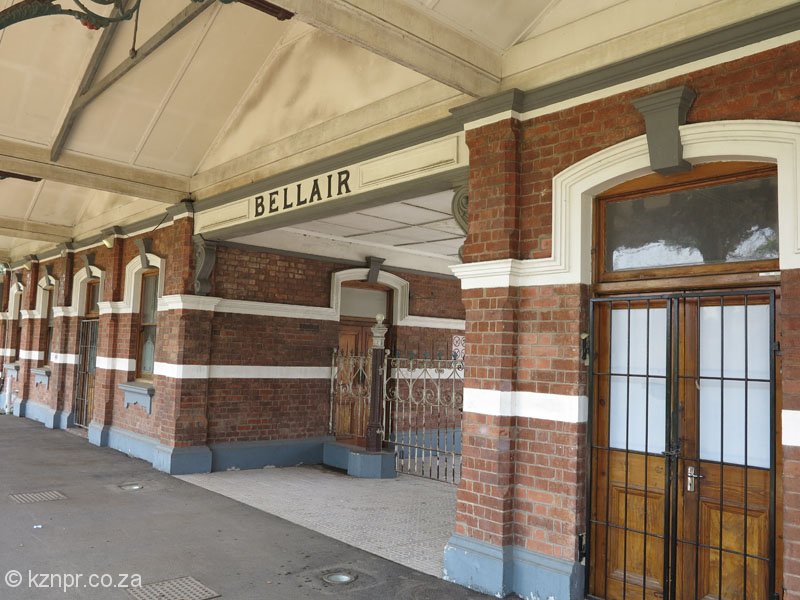
- Red brickwork with contrasting banding and crisp detailing
- A long platform façade that reads like “public building,” not “temporary shelter”
- A roofline and proportions that were clearly designed to be admired, not just used
And that’s the magic of heritage infrastructure: it reminds you that public spaces used to be built with a bit of pride — not just a tender deadline.
From working station to “what now?”
Over the years, Bellair Station has been described in different ways: from a functioning commuter stop to being repurposed in parts (even referenced as having been recycled into business premises in at least one account). (Flickr)
There are also public photo-record write-ups expressing concern about deterioration and neglect — a familiar South African story where the history is priceless but the maintenance budget is… imaginary. (KZN: A Photographic Historical Record)
The good news: there have been formal heritage-focused efforts around stations like Bellair. In 2015, Lead Architects reported being appointed as heritage architects for PRASA to document and prepare heritage reports/specifications for refurbishments across several heritage stations — with Bellair noted as the most significant among them. (leadarchitects.co.za)
Does rail still run here?
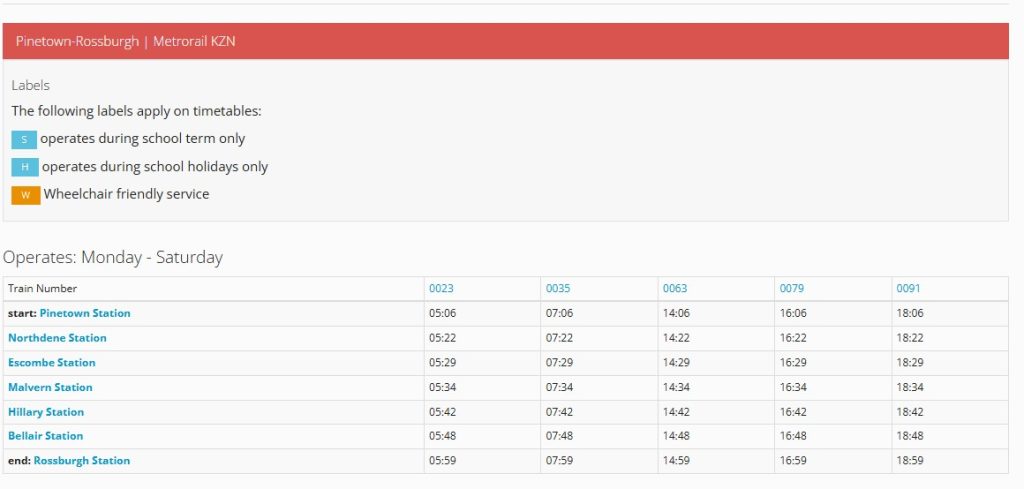
Bellair appears on published commuter timetable listings for the Pinetown–Rossburgh corridor (weekdays/Saturdays depending on service pattern), but train operations and schedules can change — so it’s best to confirm via current PRASA/Metrorail KZN updates.
Why Bellair Station matters to the community
Heritage isn’t just old bricks — it’s identity. Bellair Station is part of Durban’s story of growth, movement, migration, work, and everyday life. Protecting it isn’t nostalgia; it’s a practical choice to keep historic public assets from sliding into “we’ll fix it next financial year” limbo.
If you live nearby, here’s a simple way to help:
- Share old photos (family albums often have gold)
- Report vandalism or damage when you see it
- Support local heritage advocacy when maintenance or refurbishment is on the table
Because once a building like this is gone, the replacement will be a blank wall and a sign that says “NO LOITERING” — and nobody wants that timeline.
Confirmed Train Schedules as per PRASA - December 2025