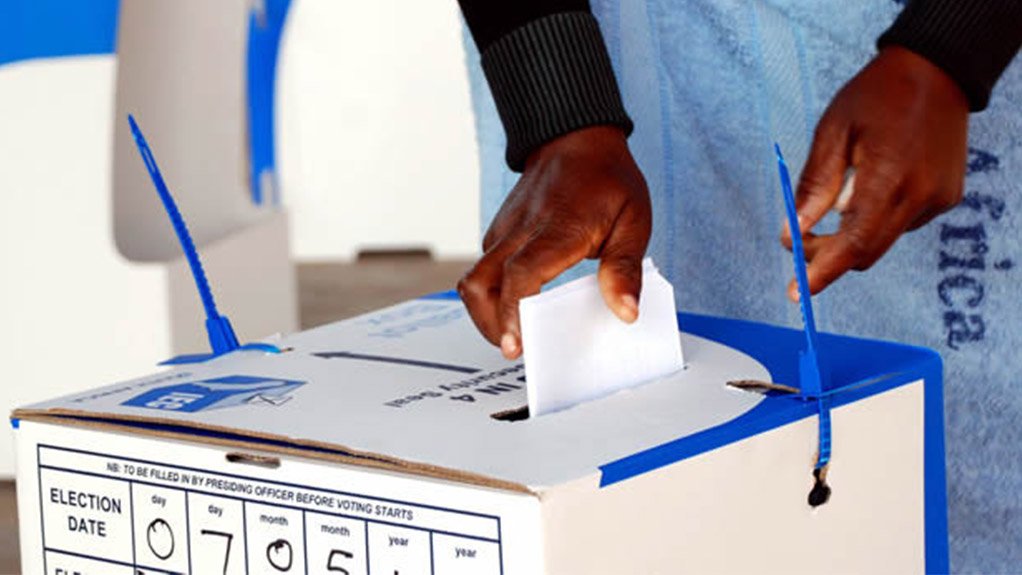

In the run up to the LGE in January 2027, we want to educate our community on the importance of Voting. Voting apathy is prevalent in our community, if you want to see change then you have to vote and make it count. Its your constitutional right but also a moral and ethical one if we want leaders who are willing to make us a priority.
Voter apathy in Ward 65 (eThekwini) and the broader Durban area is a complex response to systemic socio-economic and political failures. In the 2021 Local Government Elections (LGE), voter turnout for Ward 65 was recorded at 46.18%. While specific voting districts like Umhlatuzana Primary School saw higher localized engagement of approximately 69%, the overall ward figure reflects a significant withdrawal from the democratic process.
Causes of Voter Apathy in Ward 65
The primary drivers of apathy are not merely disinterest, but deep-seated disillusionment and structural barriers:
- Political Disillusionment: Rampant corruption scandals, unfulfilled promises, and a perceived lack of accountability from political leadership have eroded trust in government institutions. Many voters feel that "nothing will change" regardless of who they vote for.
- Performance Evaluations: Continued failures in basic service delivery—such as persistent power outages (load shedding), water supply issues, and crumbling infrastructure—act as a major deterrent, particularly among poorer and unemployed citizens.
- Representation Crisis: A widespread perception exists that democratic institutions have been "tamed" to serve the interests of political parties rather than the people. This is worsened by a fragmented political landscape with numerous splinter parties that often fail to offer discernible alternatives.
- Youth Exclusion: Youth participation is alarmingly low, with fewer than 20% of eligible voters aged 18–35 registering for the 2021 LGE. Many young people find the administrative burden of registration too high or feel that none of the candidates represent their values.
- External Barriers: Individual obstacles such as being away from their registered ward on election day or the inability to leave work have been cited as prominent reasons for abstention.
Consequences of Not Voting
While staying away from the polls is often intended as a "middle finger" to the political establishment, it carries severe democratic and practical risks:
- Loss of Legitimacy: Low turnout undermines the legitimacy of elected officials. When political elites are elected by a small percentage of the population, the resulting government may not accurately reflect the popular mandate.
- Skewed Governance Decisions: If only a small portion of the population votes, elected leaders are incentivized to make decisions that serve only those active voters, often at the expense of the silent majority.
- Coalition Instability: Low turnout frequently results in "hung councils" and a patchwork of coalition-run municipalities. South African municipalities have historically struggled with the stability and performance of these coalitions, which can lead to further service delivery stagnation.+1
- Democratic Erosion: Scholars view declining voter participation as a risk factor for "democratic backsliding," where the fundamental health and vitality of the democracy begin to decay.
Importance of Voting
Participating in local elections is vital for the restoration of the "suburban contract" and the health of the community:
- Accountability Mechanism: Elections are the primary tool for citizens to sanction poor performance. For accountability to work, voters must be willing to move their support to opposition parties to create a genuine "fear of the ballot box," forcing incumbents to remain responsive.
- Collective Power: While often seen as an individual act, voting is a form of collective action. The sum of these votes can shift influence and force governing bodies to address socio-economic conditions that affect the community as a whole.
- Deterrence of Civil Unrest: When citizens lose faith in the electoral system, they often seek to be heard through more destructive means, such as violent protests and riots. A high-turnout election serves as a peaceful alternative for demanding change and reform.
Can you afford to spectate and Not Vote?
No!