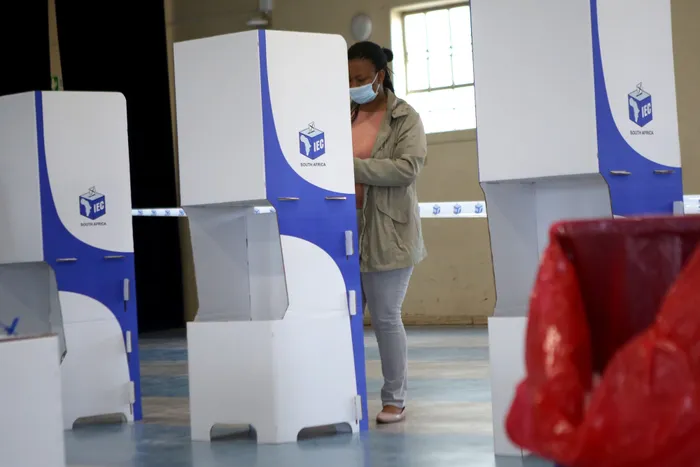

Voter apathy in Ward 65 (eThekwini) and the broader Durban region is a multifaceted response to systemic socio-economic challenges and political disillusionment. In the 2021 Local Government Elections (LGE), voter turnout for Ward 65 was recorded at 46.18%. While specific districts like Umhlatuzana Primary School saw significantly higher localized engagement of 69%, the ward-wide figure reflects a growing withdrawal from the democratic process.
Causes of Voter Apathy in Ward 65
The primary drivers of this apathy are rooted in deep-seated dissatisfaction and structural barriers:
- Political Disillusionment and Performance: Political disillusionment is cited as the primary reason for not intending to register (74%) or vote (65%). Approximately 45% of voters express high dissatisfaction with municipal performance, specifically regarding failures in service delivery and unfulfilled promises.
- Youth Exclusion: Participation among young people is alarmingly low; less than 20% of the population aged 18–35 registered for the 2021 LGE. Many young voters feel that candidates do not represent their values or that the disconnect between political rhetoric and their lived realities of unemployment and high cost of living is too great.
- Administrative and Personal Barriers: Common obstacles include not being in the registered ward on election day, being at work, or facing a high administrative burden during the registration process.
- Systemic Distrust: Corruption scandals and a perceived lack of accountability from political leadership have significantly eroded trust in government institutions.
The Debate on Abstention: Should Voters Be Apathetic?
The question of whether voters should be apathetic involves a complex moral and rational debate. The "Folklore Theory of Voting Ethics" suggests that citizens have a moral obligation to vote as a collective duty to shift power and improve socio-economic conditions for the common good.
Conversely, some ethical frameworks argue that individuals are not obligated to participate if they lack the motivation, knowledge, or capacity to do so effectively due to deteriorating conditions and a government that fails to inspire confidence. Resolving this dilemma is complex, as casting a ballot might be one of the few avenues left to shape a country's trajectory.
Consequences of Not Voting
While abstention is often used as a "middle finger" to the political establishment, it carries severe risks for local governance:
- Loss of Legitimacy: Low turnout undermines the democratic legitimacy of elected officials. Currently, some local governments are being formed on the back of mandates representing less than 15% of the total electorate.
- Skewed Representation: When political elites are elected by a small percentage of the population, they are incentivized to make governance decisions that serve only those active voters at the expense of the general population.
- Coalition Instability: Poor turnout often leads to "hung councils" and unstable coalition governments, which have historically struggled to maintain service delivery in South African municipalities.
- Entrenchment of Dominance: Paradoxically, when disillusioned supporters stay home while "die-hard" loyalists continue to vote, it can entrench the dominance of a failing incumbent party and reduce their incentive to be responsive.
Why Participation is Critical
Voting remains the most vital tool for the health and stability of a local community for several reasons:
- Accountability Mechanism: Elections are the primary way for citizens to sanction poor performance. Accountability is only established when voters are willing to withdraw support from incumbents who do not deliver, creating a "fear of the ballot box".
- Foundation of Local Democracy: Municipal wards are the foundation of local democracy, providing clear responsibilities for councillors and enabling municipalities to plan, allocate resources, and deliver services effectively.
- Collective Power: Voting is a form of collective action where a sum of individual ballots can shift influence to address the socio-economic conditions affecting the entire state.
- Stability: High-turnout elections provide a peaceful alternative to demand change. When a population loses faith in the electoral system, citizens often seek to be heard through more destructive means, such as violent protests and riots.
To measure these changing trends, the SAPS and other authorities often use specific metrics like Percentage Change and Population Ratios :
- Percentage Change (\% Increase/Decrease) = \frac{Current Figure - Past Figure}{Past Figure} \times 100%
- Population Ratio = \frac{Current Figure}{Population Figure} \times 100,000$
Can you afford to spectate and Abstain from Voting?
No!
Youth Apathy - SABC