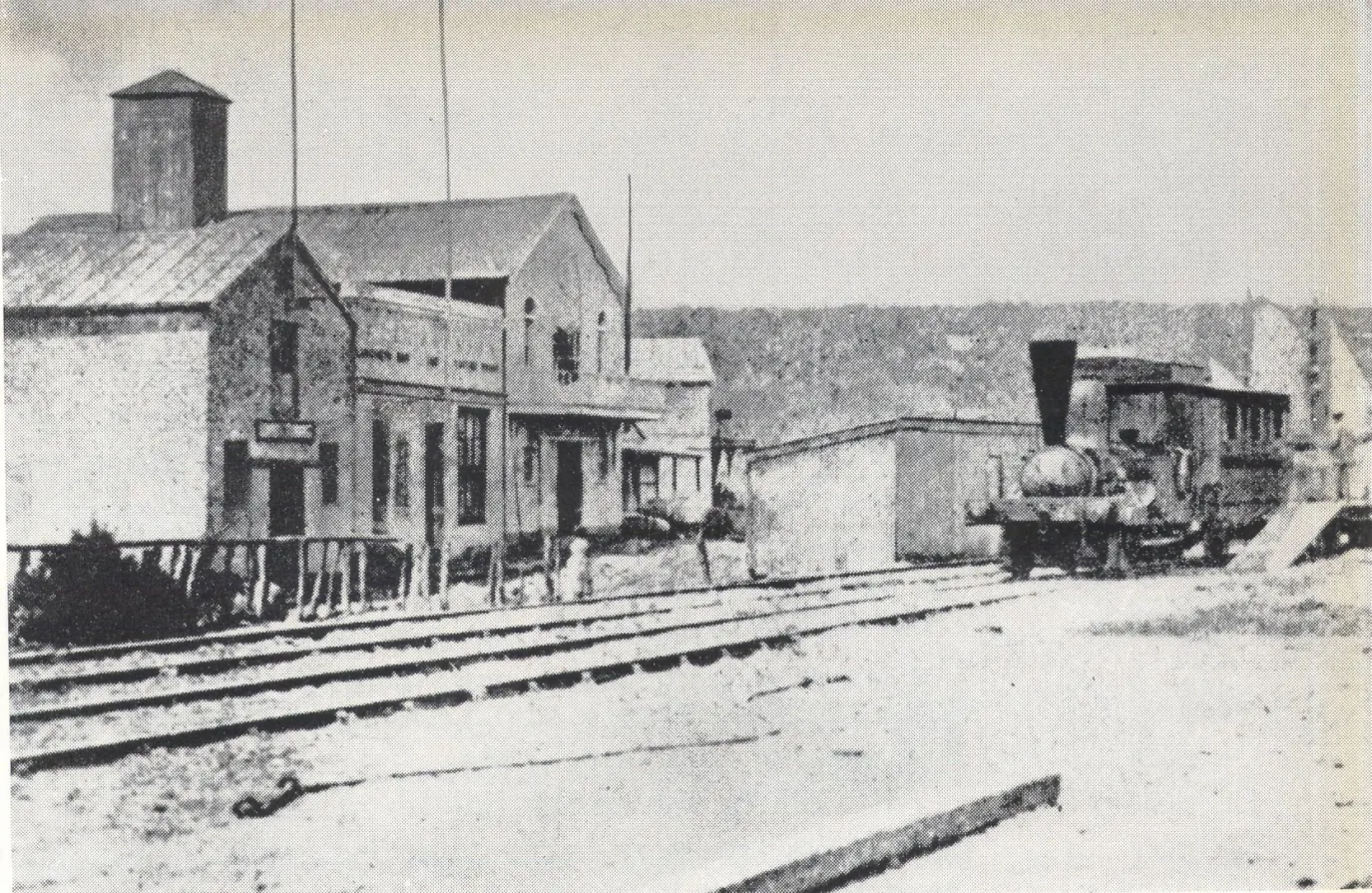

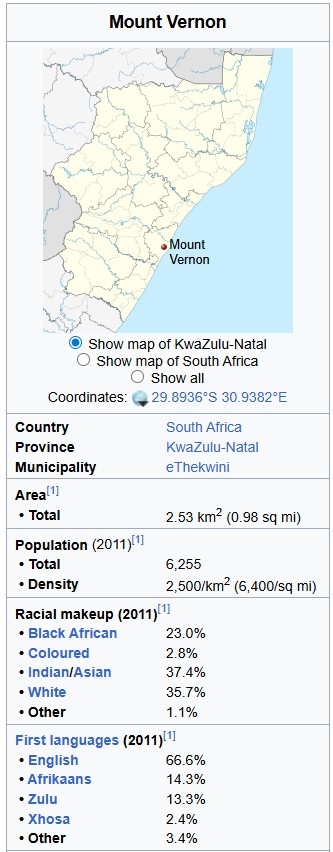
Our Community is steeped in History and Generations of people who have contributed to it becoming what it is today. In effort to protect this legacy for generations to come we would like our members to send us their stories of what our Neighbourhood looked like in years gone by. Pictures and any other media are welcomed so that we can collaborate to update the Hillary/Mount Vernon Wikipedia page
We would also like to add Biographies of people past & present to our Website to honour their contributions to the community. Over the last few years, many of the elderly have passed on and while we have some members with us, we want to hear their stories so that we can document them. As clichéd as it sounds, we must learn lessons from the past that will help us make decisions for the future.
Send us your Content:
Please email your memories, pictures, and stories. Thank you in advance for your contributions.
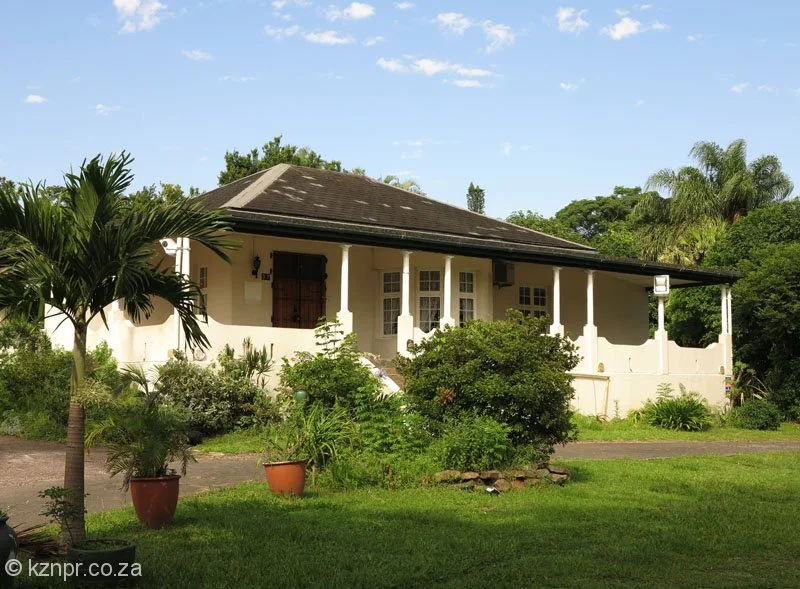
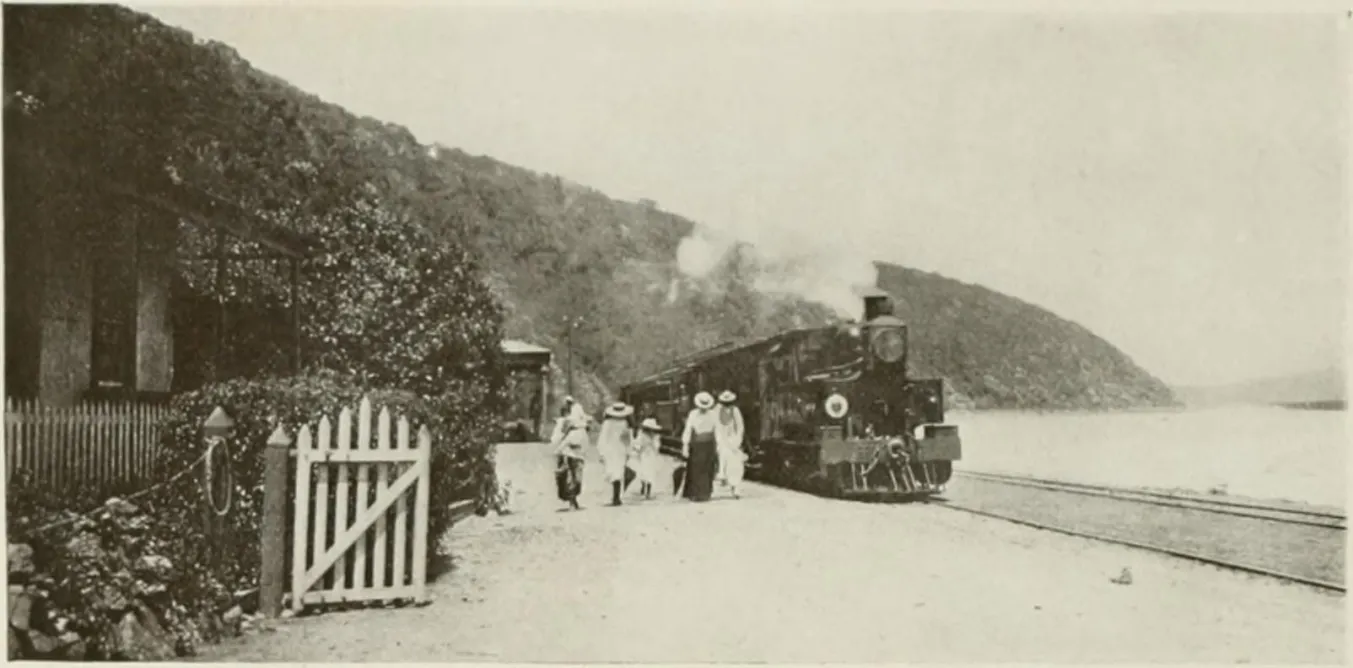
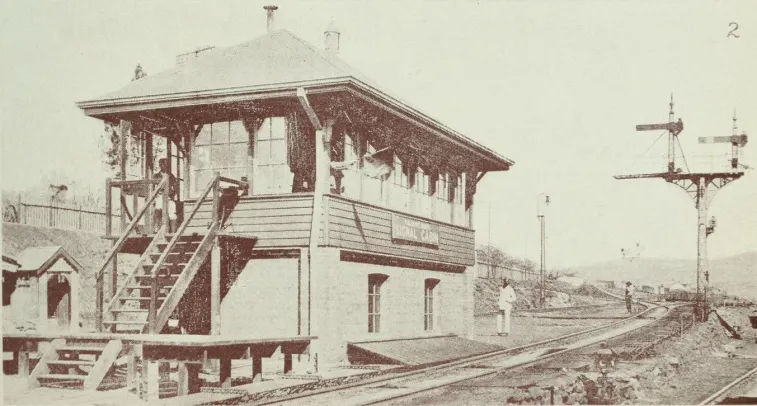
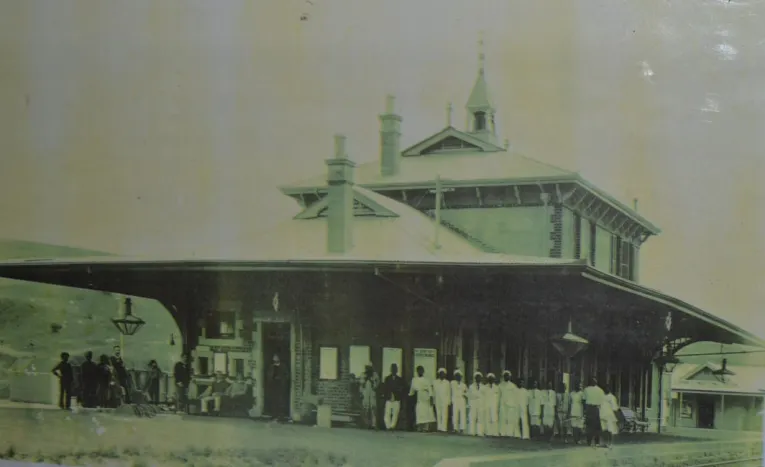
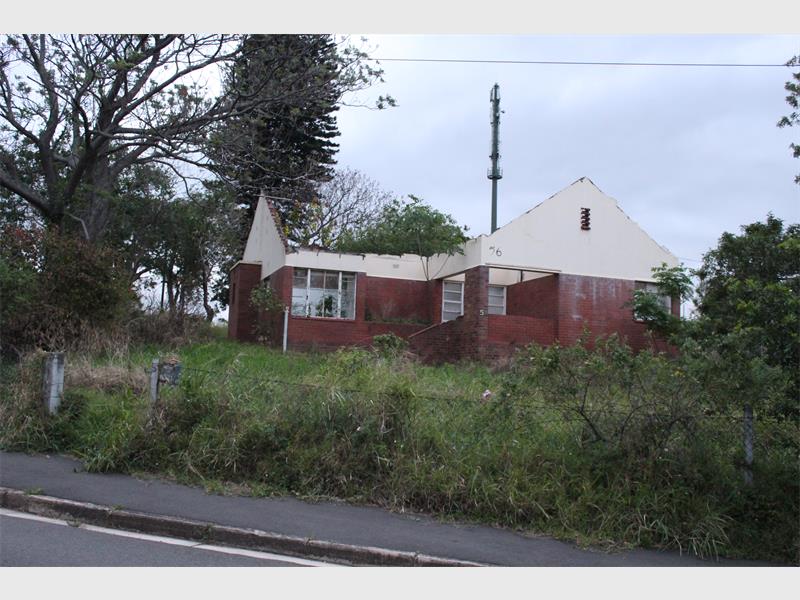
Current History of Queensburgh, Malvern and Hillary
During the late 19th century, Durban residents wishing to escape the heat of the coast began to establish townships further inland. These townships consisted of both residences and farms. The townships of Malvern, Escombe, Northdene, and Moseley were combined in 1924 to form the town of Malvern. In 1952, Malvern was renamed Queensburgh in honour of Queen Elizabeth II, who was crowned that year.
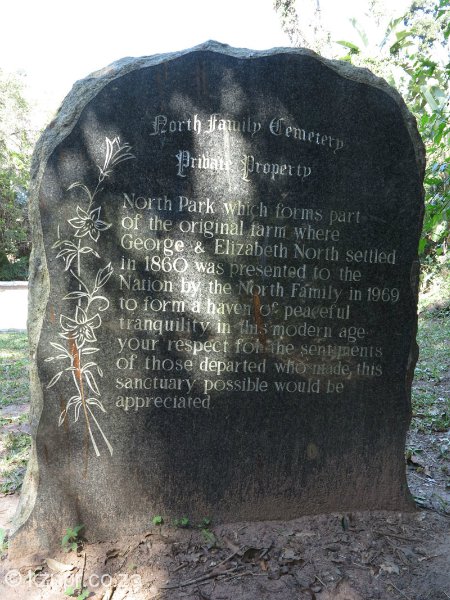
Malvern is probably named after the Malvern Hills in England, Escombe is named after Sir Harry Escombe (Premier of Natal Colony in 1897), and Northdene is named after the North family, who farmed in the area from 1860.
n the UK Census of 1841 George was not living with his family at The Street, Longparish, Andover, Hampshire, when he would have been about 16 years of age. He may have been recorded in the household of Charles Hillary (40) and his wife Maria Hillary (35) at High Street, Fordingbridge, Hampshire. He was employed as an apprentice Ironmonger.
His mother died some time before 1846, when his father remarried, to widow Elizabeth Jane Weaven.
On 9 January 1850 25 year old George emigrated from England to South Africa, departing from Gravesend on the Thames on the 680 ton barque Edward under Captain Robertson and arriving 4 months later on 10 May 1850 in Port Natal (D'Urban). Also on the same ship was 23 year old Ellen Groom (along with her two sisters, three brothers), whom he became acquainted with.
Upon reaching D'Urban they were not able to disembark from the ship without assistance. Because of the sandbar across the inlet, ships like the "Edward" could not enter the Bay. Instead, they had to anchor offshore quite some distance where small rowing boats were sent to collect them. There was no wharf so the boats had to stop a short distance from the shore where a number of stalwart Zulu men, clad only in a mutja (a belt of ox hide from which was suspended a row of monkey tails to cover their privates) would dive into the surf with great hilarity and hoist the surprised passengers on their shoulders and carry them the rest of the way to shore. From here they walked to the town of D'Urban, which comprised of a few wood and iron buildings. A rough path had been cut through the dense bush, which they had to follow, unaware of any danger they may encounter. Upon reaching the "town" they occupied one of the temporary shelters that had been provided on a small sandy clearing, known as the Market Square. After a short period of a week or more, the settlers were taken by ox wagon to the portion of land that had been allocated to them. There was only one hotel, the MacDonald's. The cost of bed and breakfast was 3/6 (35c).
George was taken to "Bellair" farm, which later became the Malvern area. After being allotted a 20 acre plot of land at Verulam, as a "Byrne Settler", George returned to England.
He then made the return journey to South Africa in 1858 and he and Ellen Groom were married on 18 August 1858 in St Paul's Church, D'Urban, Natal, after Banns[2]. His occupation was recorded as Yeoman of Sand Hill in the county of D'Urban; Ellen was a spinster of Union Street, D'Urban. The witnesses were Mary Groom, Richard Groom and Jane Hillary.
They went on to have at least six children, who all survived to adulthood.
Later George acquired a farm at Krantzkloof in the Umlazi area of Natal. The house was called "Lookout". At some stage they decided to leave and settle in Malvern. Their house was near Stella Road and named "Rockstead".
The present suburb of Durban called Hillary was named after the family.
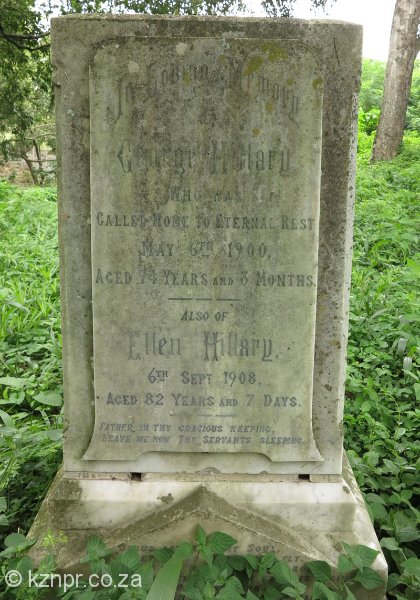
George died on 6 May 1900 at the age of 74 years and 8 months. Cause of Death was recorded as Abscess Erysipelas[3]. He was buried at the Hillary Family Graveyard, Coronation Road, Durban, Natal, South Africa[4].