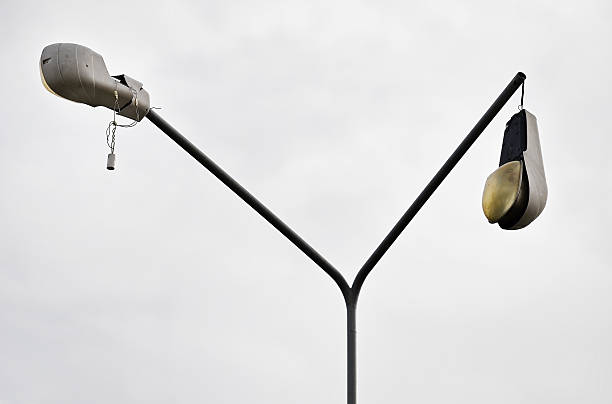

Why is this Important to us as a Community?
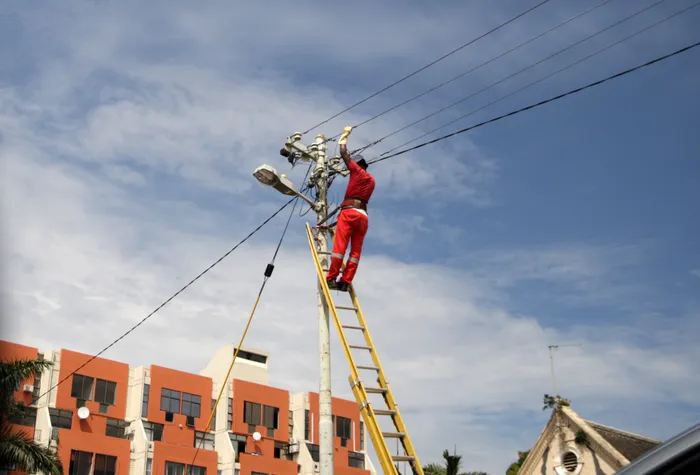
- Visible people = fewer opportunities for crime. Lighting expands natural surveillance (“eyes on the street”), discouraging muggings, car break-ins, cable theft, and loitering in concealment spots.
- Faster, safer emergency response. House numbers, road hazards, and suspects are easier to see; responders can move and stage safely.
- Prevents night-time crashes. Lit roads improve drivers’ reaction time at intersections, bends, and pedestrian crossings—reducing collisions with people, animals, and obstacles.
- Protects schoolchildren, walkers, and cyclists. Good lighting shortens “fear distances” and makes sidewalks, taxi stops, and paths feel usable after dark.
- Multiplies the value of CCTV. Cameras (especially LPR and overview) produce sharper footage with higher identification rates when scenes are well lit; you get clearer faces, plates, and colours.
- Cuts the “fear of crime.” Consistent lighting reduces anxiety and helps residents actually use public spaces at night, which itself is a deterrent (more legitimate activity = fewer offenders).
- Supports CPTED principles. Lighting is a core Crime Prevention Through Environmental Design control—removing concealment, reinforcing territoriality, and clarifying sightlines.
- Targets hotspots. Well-lit gateways, alleys, parks, footbridges, and transport stops are less attractive for ambush and stashing stolen goods.
- Protects infrastructure. Bright, uniform lighting around substations, cabinets, and poles makes tampering and copper theft riskier.
- Equity & vulnerability. Reliable lighting particularly benefits women, the elderly, shift workers, and learners who travel at dawn/dusk.
- Community trust & cohesion. “Lights working” is a visible sign that the area is cared for—boosting reporting, volunteerism, and cooperation with safety projects.
Audit your Street
- Map dead lights during a single night “light walk/drive” and submit a batch fault list with pole IDs.
- Prioritise gateways + hotspots for immediate repair; escalate with the councillor/roads & electricity department.
- Pair lighting checks with your CCTV rollout so each camera has adequate lux at night.
- Ask businesses to “adopt a light” outside their frontage and keep it reported and working.
- We will aim to publish a simple monthly “lights out fixed” stat— so it keeps pressure on, and residents keep reporting until resolution
How to Log a Fault for Streetlights
- WhatsApp: Send a "Hi" message to 076 791 2449 to activate the chatbot for fault reporting.
- Online Portal: Visit webfaults.durban.gov.za and follow the steps to report the fault online.
- Email: Send an email to electricity.faults@durban.gov.za.
- Telephone Reporting
- Contact Centre: Call the toll-free number 080 311 1111 to report the fault to the Contact Centre.
What Information to Provide?
When reporting the fault, ensure you include the following information for faster resolution:
- You will batch log for all Pole Numbers
- Your name and surname.
- Your contact number.
- -The full street address of the affected area.
- A clear description of the street light fault or outage. Each Pole has a Pole Number Affixed to it. Quote that unique pole number when logging a fault. If possible, upload a photo of the Pole Number
- Upload your Reference Number to the WhatsApp Group, so we can track these faults
- Wait 14 Days for a response before asking for an Escalation to the Councillor cllrsamantha.windvogel@gmail.com

Reporting Template
Please make use of the Template below created for you in excel format to batch report non-working streetlights. Line 1 is an example of the information needed to report faulty streetlights and for an expeditious resolution.